
In partnership with

Welcome back to the club. Today's edition explores:
Deep Dive: Which exercise helps insomnia most, and why yoga came out on top
Pillar Spotlight: Why looking after your hearing may protect your brain
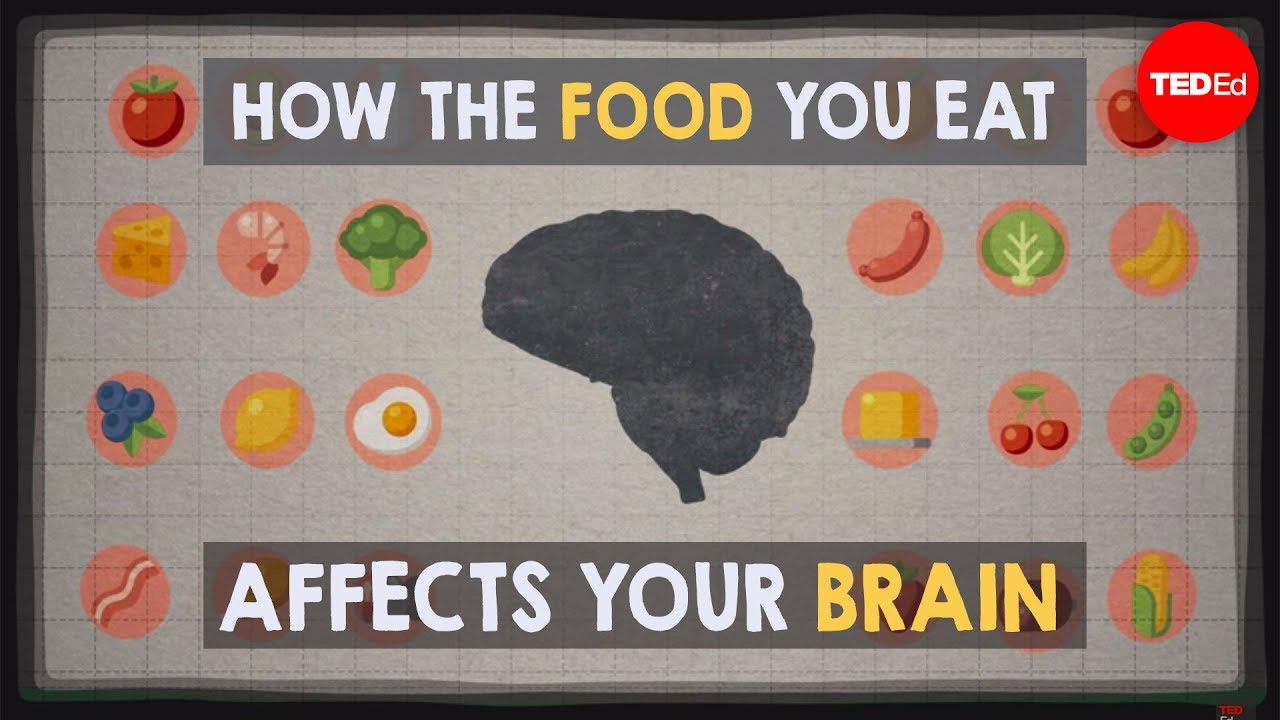
Video of the Week: A five-minute animated lesson on how the food you eat shapes your brain
DEEP DIVE
The Exercise That Added Nearly Two Hours Of Sleep
If you lie awake at night, someone has probably told you to exercise more. But which kind of exercise actually helps?
A team of researchers in China set out to answer that by pooling 22 randomised trials involving 1,348 adults with insomnia. Between them, the trials tested seven types of exercise, including yoga, tai chi, walking or jogging, and strength training, and compared them with control groups such as usual care and lifestyle advice.
Not every trial compared the same things, so the team used a method called a network meta-analysis. It lets researchers compare treatments that were never tested directly against each other.
Yoga came out on top for sleep itself. Compared with control groups such as usual care, people who did yoga slept about 111 minutes more per night. They also spent about 56 fewer minutes awake after falling asleep and fell asleep about 29 minutes faster.
Walking or jogging did best for insomnia symptoms, cutting scores on the Insomnia Severity Index, a standard questionnaire for insomnia, by about 9.6 points. Tai chi added about 52 minutes of sleep per night.
The exercise programmes lasted between four and 26 weeks. The authors point out that exercise is cheap, has few side effects and is easy to access, which makes it a practical option for everyday healthcare.
So why might yoga work so well? One idea is that its slow breathing helps calm a mind that will not switch off at night, though the trial behind our protocol did not find a drop in pre-sleep arousal. The exact reason is still unclear.
The Protocol
Start With Yoga: It gave the biggest boost to sleep time in the review. If yoga is not for you, walking, jogging or tai chi also helped.
Copy A Tested Routine: In a US trial of 44 adults who had struggled to fall asleep for six months or more, the yoga group was asked to do a 45-minute seated routine daily for 8 weeks: slow nose breathing, a few arm holds and a breathing meditation.
Shorter Still Counts: Most people averaged about 30 to 37 minutes a day, not the full 45, and still logged about an hour more sleep per night by the end.
Practise Before Bed: People were asked to practise in the evening, ideally just before bed. Their sleep improved steadily over the 8 weeks, so give it time and stick with it.

Your AI prompts are leaving out 80% of what you're thinking.

When you type a prompt, you summarize. When you speak one, you explain. Wispr Flow captures your full reasoning (constraints, edge cases, examples, tone) and turns it into clean, structured text you paste into ChatGPT, Claude, or any AI tool. The difference shows up immediately. More context in, fewer follow-ups out.
Used by teams at Microsoft, Amazon, and Notion. Try Wispr Flow free on Mac, Windows, iPhone, and Android.
PILLAR SPOTLIGHT · BRAIN & COGNITIVE PERFORMANCE
Your Ears May Be Protecting Your Brain
We think of hearing loss as an ear problem. It may be a brain problem too.
The ACHIEVE trial, published in The Lancet, recruited 977 adults aged 70 to 84 with untreated hearing loss. Half got hearing aids and support from an audiologist. The other half had sessions on healthy ageing. Researchers then tracked their memory and thinking for three years.
Overall, there was no difference between the two groups. But in the 238 people at higher risk of decline, who were older and had more risk factors, hearing care slowed the loss of thinking skills by 48 percent.
It is one trial, and the benefit only showed up in one group. But a hearing test is quick and simple. If conversations are getting harder to follow, book one.

VIDEO OF THE WEEK
Food For Thought
This short animated lesson explains how the food you eat shapes the way your brain works. It covers why some meals leave you sharp and others leave you sluggish. Under five minutes, and you will look at your lunch differently.
That's it for this week.
Try a gentle yoga routine in the evening before bed. Book a hearing test if conversations are getting harder to follow. And spare five minutes for the video on food and your brain. Small steps, and all of them easy to start.
Take care of yourself,
The Vitality Club
THE SUMMARY
Key takeaways
A 2025 network meta-analysis in BMJ Evidence-Based Medicine pooled 22 randomised trials covering 1,348 adults with insomnia.
Compared with control groups such as usual care, yoga added about 111 minutes of sleep a night, cut time awake after falling asleep by about 56 minutes and helped people fall asleep about 29 minutes faster.
Walking or jogging cut Insomnia Severity Index scores by about 9.6 points, and tai chi added about 52 minutes of sleep a night.
68 percent of the trials had some concerns about risk of bias, and sleep was measured with self-reported diaries.
In the ACHIEVE trial of 977 older adults with hearing loss, hearing care did not slow cognitive decline overall but slowed it by 48 percent in a higher risk group.
Sources
Bu ZJ, et al. (2025). Effects of various exercise interventions in insomnia patients: a systematic review and network meta-analysis. BMJ Evidence-Based Medicine.
Khalsa SBS, Goldstein MR. (2021). Treatment of chronic primary sleep onset insomnia with Kundalini yoga: a randomized controlled trial with active sleep hygiene comparison. Journal of Clinical Sleep Medicine.
About the authors
The Vitality Club is written by PhD researchers at Durham University, Marcus W, Camila G and Todd B, who turn new peer-reviewed health and longevity research into practical takeaways. This article is for education only and is not medical advice; talk to a qualified healthcare professional before changing your diet, exercise, supplements or medication.